Mastering the CDL: Navigating DOT Drug and Alcohol Testing Programs for Commercial Motor Drivers
In today’s competitive transportation industry, understanding the ins and outs of the cdl process is crucial for every aspiring commercial motor vehicle operator. This article dives into the essential elements of the drug test, alcohol test, and dot drug requirements that every commercial motor driver must confront. Whether you’re preparing for a cdl driver skills test or learning how to manage the dot drug test protocols, this comprehensive guide explains why these programs are worth your attention. With federal oversight from the department of transportation and fmcsa, the testing program ensures safe driving on the nation’s roads, making it essential for every driver who wishes to operate a commercial motor.
Below is an outline of our discussion, featuring ten key questions that cover the core aspects of cdl procedures, drug and alcohol testing, and the latest in dot drug and alcohol protocols. Each section provides detailed insights and practical advice to help you navigate the complex landscape of commercial driving regulations. Read on to learn about everything from random testing to return-to-duty processes and how to secure your driver license in a challenging environment where every test positive result matters.
1. What Does a CDL Involve for Commercial Drivers?
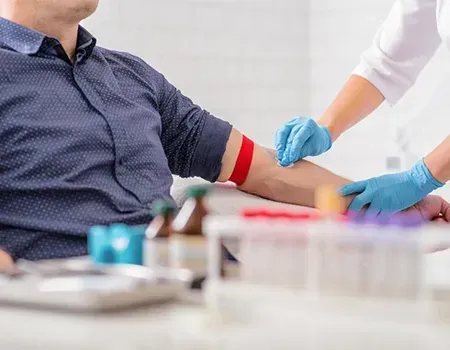
The process to obtain a cdl is multifaceted and demands rigorous preparation. Aspiring commercial drivers must first complete a skills test that demonstrates their ability to safely operate a commercial motor vehicle. The journey starts with meeting drug testing requirements through a carefully monitored testing program, ensuring that every candidate is fit to handle the responsibilities that come with driving a commercial motor. For instance, before stepping behind the wheel, candidates undergo a drug test that screens for substances that could impair their ability to drive safely.
For many, the department of transportation outlines clear standards that must be met, including passing both a dot drug test and an alcohol test. This dual layer of drug and alcohol testing is designed to catch any potential risk factors early. Additionally, a cdl driver must be aware that even a single test positive result could lead to severe consequences, ranging from disqualification to mandatory participation in a return-to-duty test following the return-to-duty process. These measures, prescribed by the federal motor carrier safety regulations, guarantee that only those qualified to drive a commercial vehicle can take to the road.
2. How Does a CDL Driver Prepare for a Drug Test?
Preparation is key for any cdl driver aiming to navigate the rigorous standards of pre-employment drug testing. One of the first steps is understanding that a drug test result can have long-lasting implications. With guidance available from the federal motor carrier safety administration, drivers learn that drug testing requirements must be met before they are cleared to drive a commercial motor vehicle. Whether you are subject to a scheduled test or a random testing selection from the random testing selection pool, being informed about the process is essential.
In addition to technical preparation, candidates should know that drug and alcohol testing protocols are integrated with other mandatory assessments such as the alcohol testing program. Educational materials on secure websites and gov website resources explain that a drug test might be required before even applying for a commercial driver’s license. Drivers who wish to excel in the competitive world of commercial driving should maintain an impeccable record, as a test may indicate an issue that would require intervention by a substance abuse professional. This systematic approach ensures that every driver must follow the rules that protect everyone on our roads.
3. Why Is an Alcohol Test Crucial in the DOT Drug Testing Program?
The significance of the alcohol test in the dot drug testing landscape cannot be overstated. The department of transportation mandates these tests to prevent alcohol abuse, which can impair a driver’s judgement and reaction times. An effective alcohol and drug testing system is pivotal for identifying risky behaviors before they result in accidents or injuries. In the competitive world of commercial motor operations, maintaining a clear record is as important as obtaining the right driver license.
Moreover, the dot drug test protocols are part of a broader testing program that monitors the fitness of drivers in real-time. This proactive measure is enforced through random testing and pre-employment checks, ensuring that any positive test immediately flags an issue. For instance, a single positive test may trigger further assessments like a return-to-duty test to determine whether a driver is still qualified to drive a commercial vehicle safely. As a result, both the department of transportation and fmcsa emphasize that tests are required to maintain a safe and efficient transportation system.
4. What Are the DOT Drug and Alcohol Testing Requirements?
Understanding the dot drug and alcohol tests is essential for anyone involved in commercial driving. The regulations are derived from strict federal guidelines, including those laid out in 49 cfr and 49 cfr part documents. These guidelines ensure that every candidate for a commercial driver’s license meets a rigorous set of testing requirements. For example, a drug test is administered as a part of pre-employment drug testing, and failing this test can result in a significant setback in your journey toward a cdl is a driver’s license.
The testing procedures not only cover drug test protocols but also include an alcohol test as a critical component. The dot drug protocols are complemented by drug and alcohol testing processes, which ensure that every cdl driver is thoroughly evaluated. Additionally, any positive test is taken very seriously, with measures in place to confirm the accuracy of the result through additional checks such as the dot drug test. This layered approach, regulated by the department of transportation and supported by fmcsa, confirms that only those who pass all safety checks are allowed to drive a commercial motor vehicle.
5. How Do DOT Drug and Alcohol Tests Ensure Safe Driving?
The integrity of the dot drug and alcohol testing system is vital to ensuring public safety on our highways. By implementing both drug test and alcohol test protocols, the department of transportation creates a multi-layered defense against impaired driving. These measures are not just procedural; they are a cornerstone of maintaining safe operations within the transportation industry. Every commercial motor operation, from local routes to long-haul journeys, depends on a system where testing involves strict adherence to federal guidelines.
Moreover, the dot drug testing procedures are designed to monitor commercial drivers continually. This system incorporates random testing as well as pre-employment evaluations to ensure that every driver is free from substances that could affect their performance. If a driver is found to test positive, they must undergo a return-to-duty test and a thorough return-to-duty process before they are allowed back on the road. This process, regulated by the department of transportation and detailed in 49 cfr part 382, demonstrates how deeply safety is embedded in the rules governing operate commercial motor vehicles. With every step, the system seeks to minimize risks and uphold safe driving standards across the board.
6. What Do Commercial Motor Vehicle Regulations Mean for CDL Drivers?
For every cdl driver, understanding the regulations surrounding commercial motor vehicles is essential. The guidelines set forth by the department of transportation and enforced by agencies such as the federal motor carrier safety administration are designed to protect both the driver and the public. These rules dictate not only the qualifications required to obtain a commercial driver’s license but also the ongoing drug and alcohol testing standards that drivers must meet. In this respect, the cdl is much more than a simple permit—it is a rigorous certification that underscores the critical nature of safe driving in the transportation industry.
In addition to the strict testing protocols, drivers must also be aware of other regulatory elements such as hazardous materials handling and the specifics of intrastate commercial versus interstate operations. For instance, a driver who wishes to operate a commercial motor vehicle in the united states to operate must adhere to both state and federal guidelines. This includes obtaining the proper medical examiner’s certificate and ensuring that every test—be it a drug test or an alcohol test—is conducted in accordance with dot regulations. Ultimately, these standards help maintain a system where every motor carrier and commercial motor operator meets the high expectations set forth by federal policy.
7. How Can Drivers Avoid Drug and Alcohol Violations?
Avoiding drug and alcohol violations is a major concern for any cdl driver. The consequences of failing a drug test or alcohol test are severe and can derail an entire career in commercial driving. Drivers must be diligent about following all safety protocols and staying updated on the latest testing requirements. This involves regular education and adherence to guidelines provided by the department of transportation, which clearly states that tests are required at specific intervals, including both pre-employment screenings and random testing. When drivers are aware that every drug test and alcohol test is conducted under strict supervision, they are more likely to comply with the rules.
Moreover, many resources are available to help drivers maintain compliance. For instance, organizations and testing companies offer courses and seminars that detail the importance of drug and alcohol testing. These educational sessions also discuss how a driver must prepare for testing scenarios and what steps to take if a test positive occurs. The emphasis on transparency, such as ensuring that drivers do not share sensitive information during the testing process, further reinforces the importance of adhering to the protocols. By following these guidelines, drivers not only secure their driver license required but also contribute to a safer overall environment for those operating commercial motor vehicles.
8. Why Do Drivers Need to Undergo Random Testing?
Random testing plays a pivotal role in ensuring the ongoing safety of the transportation industry. For cdl drivers, this means that beyond the pre-employment drug testing, there is a continuous system in place where random testing is conducted to identify any potential substance abuse issues. The use of a random testing selection pool ensures that every driver is equally likely to be tested, thereby maintaining a level playing field and upholding the high standards set by the department of transportation. This measure is crucial because it deters risky behaviors and ensures that only the most qualified individuals operate a commercial motor vehicle.
Furthermore, the emphasis on random testing highlights the importance of drug and alcohol testing as part of the overall testing program. The dot drug guidelines specifically state that drivers need to remain vigilant and maintain compliance with all regulations at all times. In practice, this means that if a driver does end up in the random testing process, they must be fully prepared to meet the drug test criteria. The objective is clear: ensure that every commercial motor operator adheres to federal requirements and consistently demonstrates safe driving practices without exception. This methodical approach benefits not only the drivers but also the public, ensuring that every motor carrier maintains a secure and compliant operation.
9. What Is the Role of FMCSA in Commercial Driving?
The fmcsa plays a central role in regulating and overseeing commercial driving practices across the u.s. This agency, along with the federal motor carrier safety administration, sets the standards that every cdl applicant must meet, ranging from drug test procedures to alcohol test protocols. The fmcsa ensures that all commercial motor vehicle operations adhere to strict guidelines, providing the necessary framework to prevent accidents and maintain the integrity of the transportation system. By regulating dot drug and alcohol tests, the agency works to keep the industry safe and reliable for both drivers and the public.
Additionally, the fmcsa collaborates closely with the department of transportation and motor carrier organizations to implement continuous improvements in the testing program. This includes updates to the drug and alcohol testing procedures that are required for all commercial drivers. Whether it is through new dot drug and alcohol protocols or the integration of advanced monitoring techniques, the fmcsa is committed to ensuring that every driver who operate commercial motor vehicles meets the high safety standards expected by the industry. By adhering to these protocols, drivers can demonstrate that they are qualified to drive a commercial vehicle safely, even in an environment where the stakes are incredibly high.
10. How Can a CDL Driver Navigate Waivers and Return-to-Duty Processes?
Navigating the complex landscape of waivers and the return-to-duty process is a critical step for many cdl drivers. Drivers who encounter a test positive result or face other issues during a drug test may be eligible for a waiver that allows them to resume their duties after undergoing appropriate treatment. The process is designed to balance the needs of safety with the opportunity for rehabilitation, ensuring that those who have violated drug and alcohol testing standards can eventually return to commercial driving under strict oversight. This aspect of the regulations, which is governed by 49 cfr part and other federal guidelines, ensures that the system remains fair yet uncompromising in its commitment to safety.
In practical terms, the return-to-duty process involves multiple steps, including additional dot drug test evaluations and consultations with a substance abuse professional. A driver must also complete specific skills test components to prove that they are once again fit to drive a commercial motor vehicle. Moreover, the department of motor vehicles requires that all the necessary paperwork and medical examiner’s certificate be updated before a driver can resume work. By following these protocols, drivers not only demonstrate their commitment to safe driving but also ensure that they comply with all dot safety-sensitive regulations. This comprehensive process is crucial for maintaining public safety and protecting the reputation of the motor carrier industry.
Key Takeaways
- cdl certification is essential for safe and compliant commercial driving.
- Regular drug test and alcohol test screenings, as mandated by the department of transportation, are integral to the process.
- Adherence to dot drug protocols and drug and alcohol testing standards ensures that only qualified drivers operate commercial motor vehicles.
- Random testing and pre-employment drug testing help maintain high safety standards in the transportation industry.
- The fmcsa plays a critical role in enforcing federal guidelines, ensuring that every driver meets federal motor carrier safety requirements.
- In case of a test positive result, following the proper return-to-duty process and obtaining a waiver is crucial for resuming a driving career.
- Continuous education and adherence to regulations by organizations like the department of public safety and gov website resources are essential for staying updated with dot regulations.
By keeping these key points in mind and staying informed on the latest testing requirements, every cdl driver can ensure their ability to safely drive a commercial motor vehicle while meeting the high standards required by both the department of transportation and fmcsa.
This blog post has provided an in-depth look at the rigorous testing protocols, regulatory requirements, and safety measures that underpin the world of commercial driving. Every aspiring cdl driver must not only pass a series of drug test and alcohol test evaluations but also embrace continuous compliance through random testing and strict dot drug standards. Whether you are just starting your journey in commercial driving or looking to update your knowledge on dot drug and alcohol tests, this guide is designed to empower you with the information needed to succeed in an industry where every test and every regulation is critical.
By understanding the roles of key regulatory bodies such as the department of transportation, fmcsa, and the federal motor carrier safety administration, you can better appreciate the importance of maintaining a clean record. From pre-employment drug testing to the structured return-to-duty process, the steps laid out in this article help ensure that all drivers are well-prepared to meet the challenges of the road. Furthermore, the emphasis on drug and alcohol testing reinforces the necessity of safe and responsible behavior behind the wheel.
For those navigating the complex procedures, remember that the process is designed not only to enforce compliance but also to offer a pathway to rehabilitation and continued career success. As you move forward in your journey to obtain a commercial driving license, staying informed and proactive in your approach to testing requirements is paramount. In a field where tests are required and every cdl is a driver’s license to a safer future, your commitment to following these protocols contributes to the overall safety of the transportation industry.
Stay updated, stay compliant, and most importantly, drive safely.
By following these insights, you can be confident that you are well-prepared to meet the demands of modern commercial driving regulations. Remember the critical aspects of testing and the significance of every step—from a drug test to a dot drug test, and from random testing to the return-to-duty process. Every measure, whether it involves hazardous materials handling or complying with 49 cfr regulations, ensures that the nation’s roads remain safe for everyone involved.
- Understand that cdl certification and ongoing drug test and alcohol test protocols are crucial.
- Federal agencies like the department of transportation and fmcsa enforce strict guidelines.
- Every commercial motor driver must adhere to dot drug standards to prevent drug and alcohol violations.
- Continuous education on testing requirements is key to maintaining a driver license and safe driving records.
- The structured approach to random testing and the return-to-duty process ensures public safety and driver accountability.
Embrace these guidelines and regulatory insights to secure a successful career in commercial driving and to help make our roads safer for everyone.