
Seeking Internal Medicine & Geriatric Care?
Suboxone
Suboxone at Dunia Health Clinic in Seattle, WA
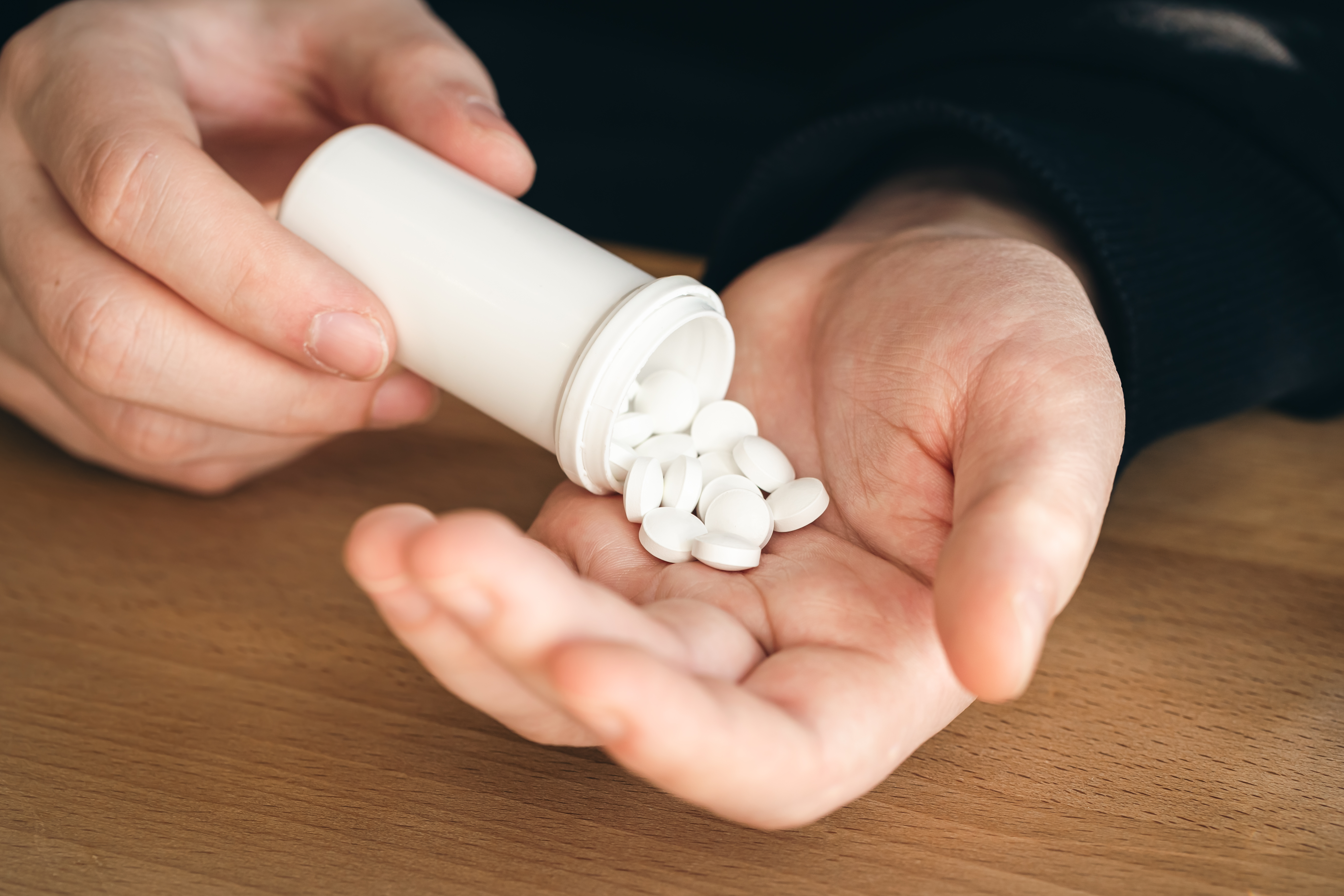
At Dunia Health Clinic, we provide Suboxone treatment as part of comprehensive internal medicine and geriatric care. Suboxone is a medication used to help adults manage opioid use disorder safely and effectively. It combines buprenorphine, which reduces cravings and withdrawal symptoms, with naloxone, which helps prevent misuse. For patients struggling with opioid dependence, Suboxone can be a life-changing tool that supports recovery, stability, and overall health.
Located in Seattle, Washington, Dunia Health Clinic serves patients from across the city as well as neighboring communities including Bellevue, Shoreline, Redmond, and Kirkland. Our approach emphasizes patient-centered care, education, and compassionate guidance. We aim to help patients understand how Suboxone works, what to expect during treatment, and strategies to support long-term recovery. Whether you are exploring treatment for yourself or a loved one, our team provides clear, supportive care in a safe and non-judgmental environment.
What Is Suboxone and How Does It Work?
Suboxone is a prescription medication approved to treat opioid use disorder. It works by:
- Reducing cravings for opioids
- Alleviating withdrawal symptoms during recovery
- Blocking the effects of other opioids, reducing the risk of misuse
Buprenorphine in Suboxone activates opioid receptors enough to ease withdrawal but not enough to cause the high associated with misuse. Naloxone helps prevent intravenous misuse by triggering withdrawal if injected. Together, these components make Suboxone a safe and effective option for many adults seeking recovery [1].
How Is Suboxone Administered and Monitored?
Suboxone is usually prescribed as a sublingual film or tablet that dissolves under the tongue. Monitoring and follow-up are essential to ensure safe and effective treatment.
Key points about administration include:
- Taken once daily or as prescribed by the provider
- Dose adjusted based on symptoms, cravings, and side effects
- Regular follow-up appointments to monitor progress
- Coordination with counseling or behavioral support services
- Monitoring for side effects such as mild sedation or nausea
Patient adherence and open communication with the healthcare team are essential for successful treatment [3].
Are There Risks or Side Effects With Suboxone?
Suboxone is generally considered safe when used as prescribed, but like all medications, it may have side effects. Common effects include:
- Constipation
- Headache
- Nausea or vomiting
- Mild sedation or drowsiness
- Sweating or insomnia
Serious risks are rare but can include respiratory depression if combined with other sedatives or alcohol. Regular monitoring by a qualified provider helps reduce risks and ensures safe use [4].
How Does Suboxone Support Long-Term Recovery?
Suboxone is most effective when combined with comprehensive recovery support, including counseling, lifestyle changes, and medical care. Its benefits include:
- Stabilizing daily life by reducing cravings and withdrawal
- Supporting engagement in therapy and counseling programs
- Lowering the risk of relapse or overdose
- Helping patients regain control over work, family, and social life
By integrating Suboxone with patient-centered care, providers at Dunia Health Clinic help adults pursue safe, sustainable recovery [5].
Why choose Dunia Health Clinic in Seattle, WA for Suboxone Treatment?
At Dunia Health Clinic in Seattle, WA, we provide patient-centered Suboxone treatment as part of a broader approach to internal medicine and geriatric care. Our team focuses on compassionate guidance, clear education, and evidence-based strategies to help adults manage opioid use disorder safely.
Whether you live in Seattle or nearby communities such as Bellevue, Shoreline, Redmond, Kirkland, or Lynnwood, our goal is to support recovery, stability, and overall health. We combine medical expertise with human-centered care so patients can rebuild their lives with confidence and safety.
Take the First Step Toward Better Health
Whether you're seeking Suboxone, or face other mental health or addiction challenges, let Dunia Health Clinic be your trusted partner in care.
Experience care that’s personal, proactive, and centered around you.
References:
1. Mattick, R. P., Breen, C., Kimber, J., & Davoli, M. (2014). Buprenorphine maintenance versus placebo or methadone maintenance for opioid dependence. Cochrane Database of Systematic Reviews, (2), CD002207.
2. Rosenthal, R. N., & Goradia, V. V. (2018). Buprenorphine treatment in older adults with opioid use disorder. Journal of Geriatric Psychiatry and Neurology, 31(3), 129–136.
3. Ling, W., et al. (2009). Buprenorphine maintenance treatment of opioid dependence: A review. Journal of Addiction Medicine, 3(2), 79–90.
4. Hser, Y. I., et al. (2014). Long-term outcomes after outpatient buprenorphine treatment. Drug and Alcohol Dependence, 144, 22–29.
5. Volkow, N. D., & Frieden, T. R. (2017). Medication-assisted therapies for opioid addiction. New England Journal of Medicine, 376(4), 388–390.
Access The Convenient Care You Deserve
Get In Touch
Call, click, or visit — we’re here to make getting care simple & stress-free!
11625 Rainier Ave S, Suite #102 Seattle, WA 98178
Our Promise to You
To provide advanced, personalized care with skill, compassion, and respect—every time you visit. You’re not just a condition to treat; you’re a whole person with unique goals and challenges, and we’re here to help you overcome them.
We’re committed to serving our community with integrity and heart, combining innovation with genuine connection—because true healing goes beyond checklists.


© 2026 Dunia Health Clinic | Accessibility | Terms & Conditions | Privacy Policy | Powered by DoctoGrow