
Seeking Internal Medicine & Geriatric Care?
House Calls/Home Visits
House Calls/Home Visits at Dunia Health Clinic in Seattle, WA
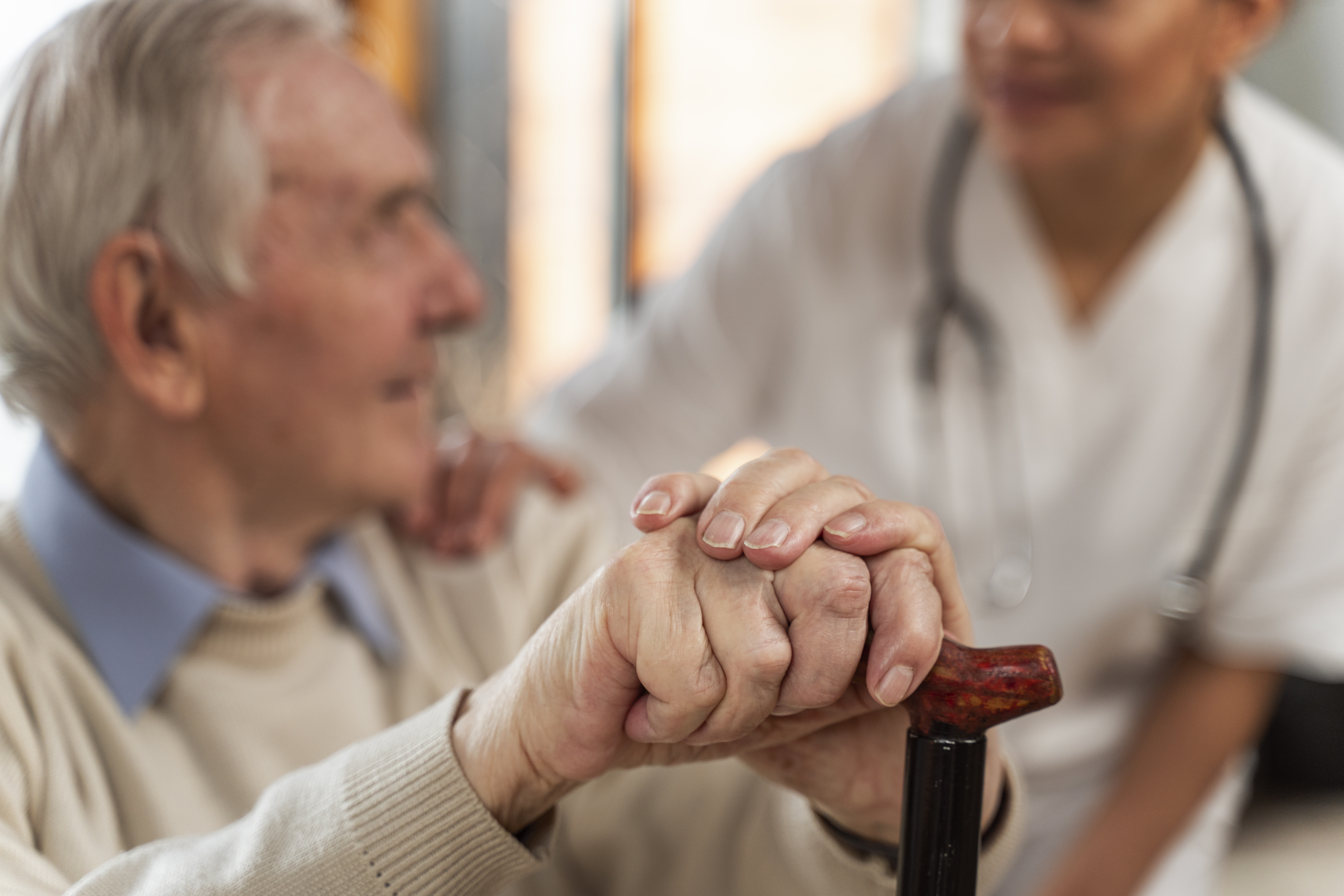
Getting medical care should not feel impossible just because leaving home is hard. House calls, also called home visits, bring primary care and geriatric care services to patients where they live. At Dunia Health Clinic, we offer house calls and home visits in Seattle, WA for adults and older adults who may benefit from care in a familiar, comfortable setting.
Because we are located in Seattle, many families who reach out to us also live in nearby communities like Bellevue, Shoreline, and Renton. If you are supporting an aging parent, recovering from an illness, or managing a long-term condition, home-based medical care can make follow-up and ongoing support more realistic and less stressful.
What are house calls and home visits in healthcare?
A house call is a medical visit that happens in your home instead of a clinic. Home visits are commonly used in geriatrics and internal medicine to support people who have trouble traveling, need closer monitoring, or do better when care happens in their everyday environment (1, 2).
Home-based care can be helpful because it allows the medical team to better understand real-life factors that affect health, like mobility, fall risks, medication routines, and caregiver support (1).
Who might benefit most from home visits?
Home visits can be a good option for many adults, especially older adults, who find it difficult to get to a clinic. You do not need to be “bedbound” to benefit. Many people choose home visits simply because it reduces stress and helps them stay consistent with care.
Home visits may be especially helpful for patients who:
- Have limited mobility, frequent falls, or use a walker or wheelchair (3)
- Live with multiple chronic conditions like heart failure, COPD, diabetes, or kidney disease (1)
- Have memory concerns, confusion, or dementia, where routines matter (4)
- Recently left the hospital or rehab and need close follow-up (2)
- Rely on a caregiver for transportation or daily support (5)
“Mobility” means how easily you can move around. “Chronic condition” means a health problem that lasts a long time.
What health concerns can be addressed during a house call?
House calls can support many of the same goals as in-office primary care for adults and seniors. The exact services can vary, but home-based primary care is widely used for preventive care, chronic disease management, and symptom evaluation in medically complex patients (1, 2).
Home visits may address:
- Ongoing care for conditions like high blood pressure, high cholesterol, diabetes, asthma, COPD, arthritis, and heart disease (1)
- New concerns such as weakness, dizziness, swelling, pain, shortness of breath, or changes in appetite
- Medication reviews to reduce side effects and avoid unsafe combinations, especially in older adults (6)
- Cognitive concerns like memory changes or confusion, with age-appropriate screening (4)
- Safety check-ins related to fall risks, home setup, and daily functioning (3)
A simple way to think about it: a home visit can help connect your symptoms with your daily life, not just your chart.
How can home visits improve safety, comfort, and care coordination?
Many health problems in older adults are tied to daily routines. When care happens at home, it can be easier to spot barriers that do not show up in a clinic, such as difficulty climbing stairs, trouble organizing medications, or fall risks like loose rugs (1, 3). Research also suggests home-based primary care models can improve outcomes for medically complex patients, including fewer hospitalizations in some settings (2).
Potential benefits of home visits include:
- Less stress from travel, parking, and waiting rooms
- More realistic planning for mobility, nutrition, and medication schedules
- Better caregiver involvement, when the patient wants it (5)
- Stronger care coordination for patients seeing multiple clinicians (1)
- Support for goal-based care, focused on what matters most to the patient
“Care coordination” means organizing care across different doctors, tests, and treatment plans so nothing important gets missed.
What should patients and families prepare for a home visit?
You do not need to “get the house perfect.” The goal is medical care, not a home inspection. A little preparation can make the visit smoother and help your clinician understand your needs quickly.
Helpful items to have ready include:
- A list of current medications, vitamins, and supplements, or the actual bottles (6)
- Recent hospital discharge paperwork if applicable
- A list of symptoms, with when they started and what makes them better or worse
- Names of other clinicians you see (specialists, therapists, home health)
- Questions you want answered, written down in advance
- If you have a caregiver, consider having them present if you want their help
If a medical term comes up that you do not understand, it is always okay to ask, “Can you explain that in simpler words?”
Why choose Dunia Health Clinic in Seattle, WA for House Calls/ Home Visits?
At Dunia Health Clinic in Seattle, WA, we offer patient-centered house calls and home visits for adults and seniors who benefit from receiving care at home. Home-based medical visits can support chronic condition management, medication safety, symptom concerns, and healthy aging, while respecting comfort, mobility, and family needs.
We proudly serve patients in Seattle and nearby communities such as Bellevue, Shoreline, Renton, Kirkland, and Redmond. If you are looking for home visit primary care in the Seattle area, our team is here to help you access clear, practical healthcare guidance in a setting that feels safe and familiar.
Take the First Step Toward Better Health
Whether you're seeking House Calls/Home Visits, or face other mental health or addiction challenges, let Dunia Health Clinic be your trusted partner in care.
Experience care that’s personal, proactive, and centered around you.
References:
1. Stuck, A. E., Siu, A. L., Wieland, G. D., Adams, J., & Rubenstein, L. Z. (1993). Comprehensive geriatric assessment: A meta-analysis of controlled trials. The Lancet, 342(8878), 1032–1036.
2. Stall, N., Nowaczynski, M., & Sinha, S. K. (2014). Systematic review of outcomes from home-based primary care programs for homebound older adults. Journal of the American Geriatrics Society, 62(12), 2243–2251.
3. Tinetti, M. E., Baker, D. I., King, M., et al. (2008). Effect of dissemination of evidence in reducing injuries from falls. The New England Journal of Medicine, 359(3), 252–261.
4. Petersen, R. C., et al. (2018). Practice guideline update summary: Mild cognitive impairment. Neurology, 90(3), 126–135.
5. Adelman, R. D., Tmanova, L. L., Delgado, D., Dion, S., & Lachs, M. S. (2014). Caregiver burden: A clinical review. JAMA, 311(10), 1052–1060.
6. O’Mahony, D., O’Sullivan, D., Byrne, S., O’Connor, M. N., Ryan, C., & Gallagher, P. (2015). STOPP/START criteria for potentially inappropriate prescribing in older people: Version 2. Age and Ageing, 44(2), 213–218.
Access The Convenient Care You Deserve
Get In Touch
Call, click, or visit — we’re here to make getting care simple & stress-free!
11625 Rainier Ave S, Suite #102 Seattle, WA 98178
Our Promise to You
To provide advanced, personalized care with skill, compassion, and respect—every time you visit. You’re not just a condition to treat; you’re a whole person with unique goals and challenges, and we’re here to help you overcome them.
We’re committed to serving our community with integrity and heart, combining innovation with genuine connection—because true healing goes beyond checklists.


© 2026 Dunia Health Clinic | Accessibility | Terms & Conditions | Privacy Policy | Powered by DoctoGrow